

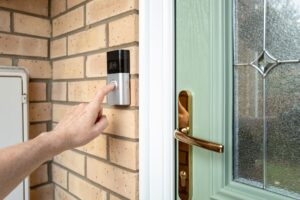
 Smart-home technology is widely available, ranging from thermostats that can be controlled via an app to video doorbells. Tenants of the present day are becoming more accustomed to expecting rentals to offer the same tech upgrades. However, despite the convenience that devices promise, they also introduce smart home rental risks that property owners may not have foreseen. Smart technology may result in maintenance issues and liability concerns, among other complications, in the absence of clear smart device policies. By understanding the risks, you can protect your properties while simultaneously providing the technology that today’s tenants desire.
Why Tenants Love Smart-Home Devices
Today’s smart home devices provide comfort and a sense of control to homeowners and renters alike. Today, renters are eager to have the convenience of automating lighting, monitoring packages, adjusting thermostats, or remotely viewing visitors at the front door.
The most common smart home tech that renters want in their homes includes:
- Smart thermostats
- Video doorbells and security cameras
- Smart locks and lighting systems
- Voice assistants and automation hubs
Therefore, what is the issue? Although a significant number of these devices are marketed as “plug-and-play,” installation sometimes involves wiring, drilling, or system integration that can require permanent changes to the property. Additionally, renters may even install them without permission or without considering the long-term implications for their safety or the property, as they are frequently inexpensive and simple to acquire. This can result in rental property owners being placed in a challenging situation.
Hidden Maintenance Risks of Smart Home Tech
One of the most significant risks associated with smart home tech in a rental property is wrong installation. Renters may modify wiring, HVAC connections, or door frames during installation, either with or without professional guidance. In the long term, these modifications may result in electrical complications, damage systems, or generate code compliance concerns. These are problems that often surface long after the renter moves out, leaving future occupants and the property owner to handle the outcome.
Another critical factor to take into account is the way that technology evolves quickly. Devices that appear to be state-of-the-art today may become obsolete or unsupported within a few years. Rental properties with mismatched or outdated smart systems can necessitate expensive upgrades or removals, which can result in a reduction in long-term value and a disruption in consistent cash flows. A rental property owner may encounter difficulties as a result of this.
Liability and Privacy Concerns Tied to Smart Devices
It is crucial to be aware that smart home devices can generate unique liability questions, in addition to the property itself. For instance, what would transpire if a tenant-installed camera captures common areas or neighbors? Who is the proprietor of the data? If smart devices malfunction or are left behind, how will that impact the property’s current occupants? Rental property owners may encounter unanticipated legal or privacy issues. These are all critical aspects to consider before allowing renters to install smart home devices in your rental property.
Why Clear Landlord Smart Device Policies Matter
To assist in mitigating any potential downsides of smart home tech, rental property owners may wish to establish comprehensive smart device policies for their lease documents. Protecting both you and your renters is possible through the implementation of effective technology policies. Things such as: are examples of strong guidelines:
- A list of devices that are permitted and prohibited
- Requirements for installation and removal
- Tenant liability for system modifications or damages
- Procedures for documentation and inspection
You can minimize disputes and maintenance surprises, as well as respect your renters’ privacy and safety, by establishing clear expectations around smart home tech.
Smart Tech Policies Make Smarter Rentals
Despite the fact that smart-home devices are not disappearing, the installation of technology without proper management poses a significant risk. It is feasible to strike a balance between innovation and tenant satisfaction with long-term property protection by grasping the smart home rental risks and enacting considerate landlord smart device policies.
Contact your local experts at Real Property Management Suncoast today if you are uncertain about how to manage tenant-installed smart devices or require assistance in establishing smart device policies. Our team can help you protect your investment in Venice while keeping your rental competitive in a tech-driven market. Contact us online or call us at 941-309-1111.
This content is provided for general informational and educational purposes only and does not constitute financial, legal, tax, or investment advice. Readers should consult with licensed professionals regarding their specific circumstances.
We are pledged to the letter and spirit of U.S. policy for the achievement of equal housing opportunity throughout the Nation. See Equal Housing Opportunity Statement for more information.
